
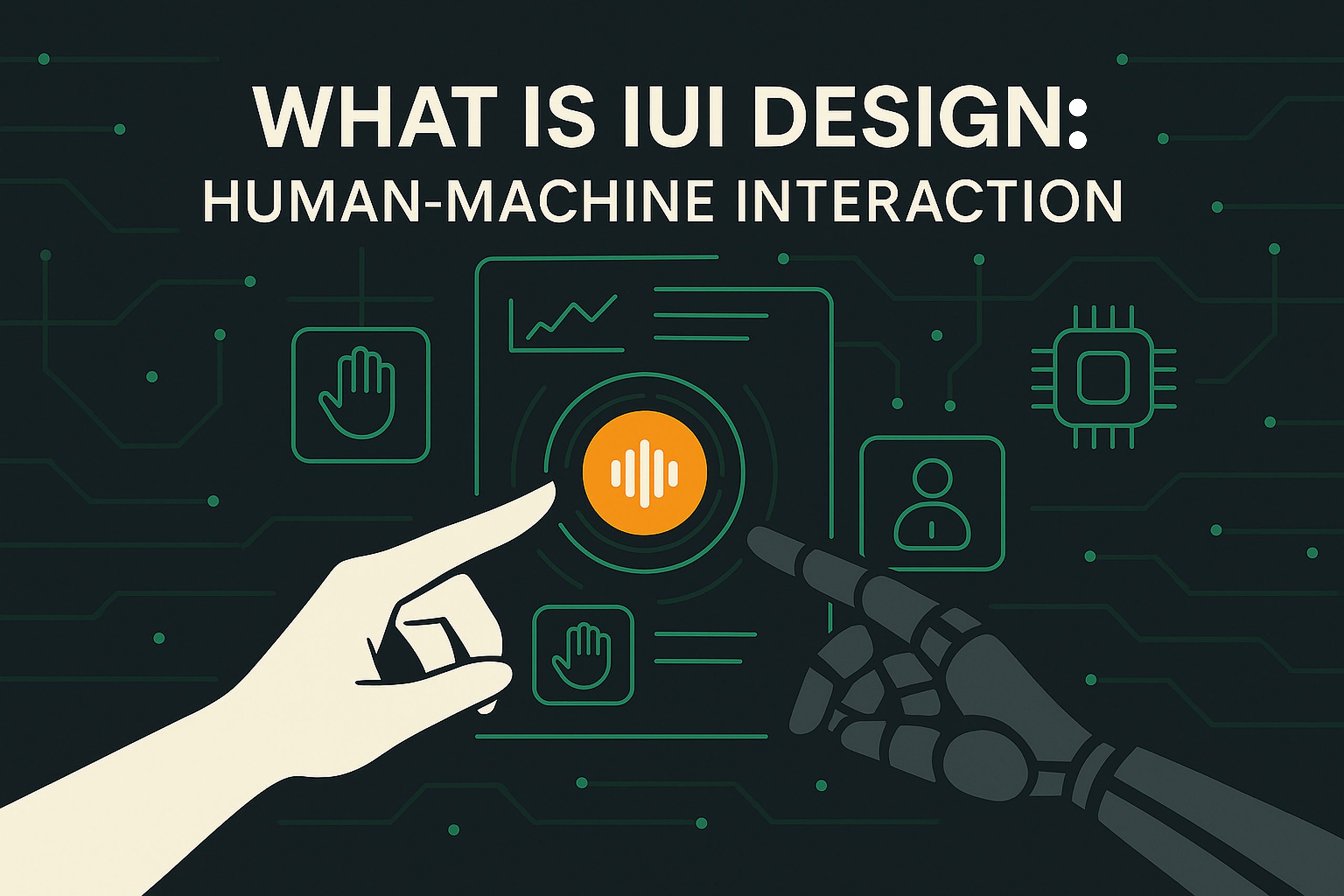
IUI design (intelligent interfaces) is a fundamental change in HCI that defines its future. Instead of static buttons and menus, AI allows you to create systems that understand the user: they learn their habits, anticipate their needs, and adapt in real time. The result is a much simpler, more efficient, and personalized interaction where technology works for people, not the other way around (as is the case with modern voice assistants or recommendation systems).
To be honest, when we at SELECTOR.SPACE first heard about the Intuitive User Interface, we realized that IUI is not just an evolution, but a real revolution in the way we approach website creation.
Over the years of working on various projects, from landing pages for startups to complex corporate portals, we have seen how user expectations are changing. Whereas before they were willing to learn the interface, now they want the website to “guess” their needs. And this is where IUI comes in.
What IUI really is: more than just convenience
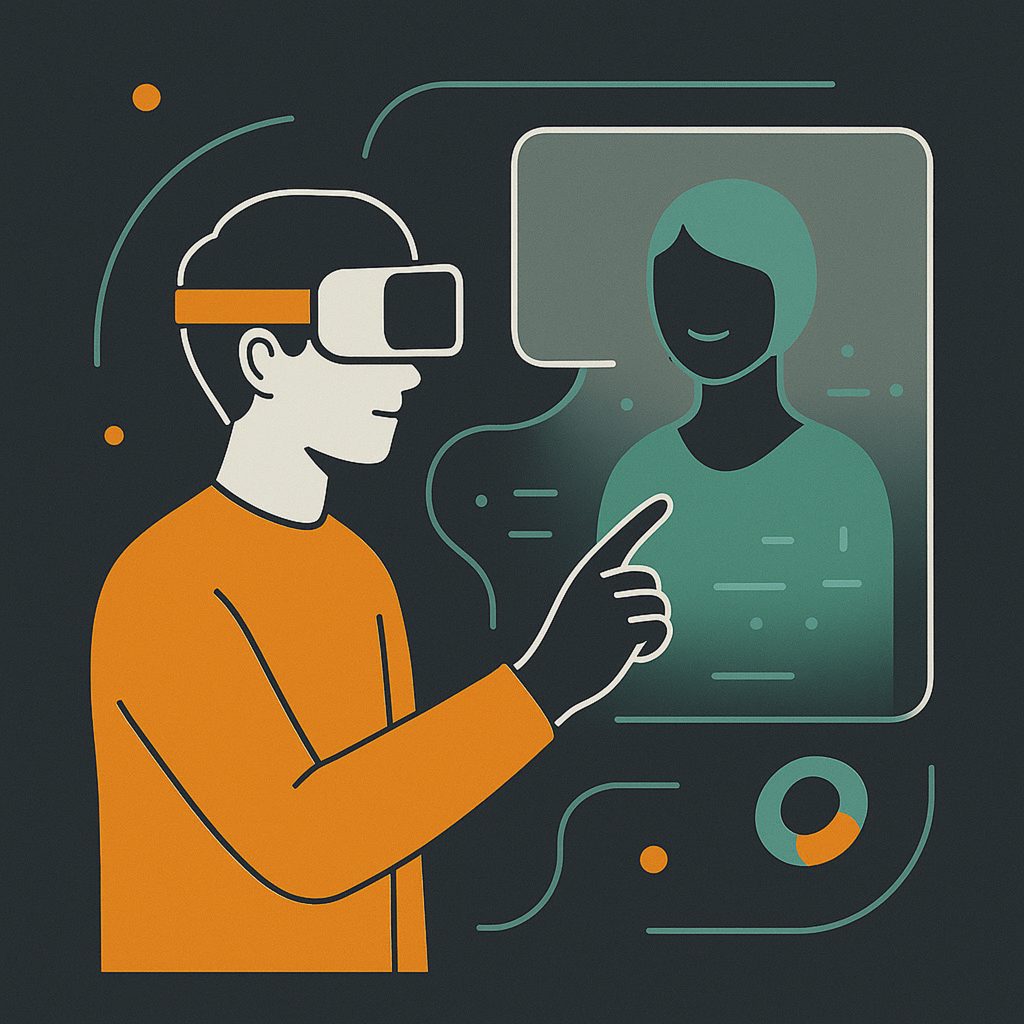
When we were working on creating websites for small businesses, we often encountered situations where a café owner wanted visitors to see the menu right away, while a car service owner wanted them to see emergency contact information. The traditional approach required creating separate versions or compromises. IUI allows the website itself to understand the context.
In our opinion, an intuitive user interface is a technology that analyzes user behavior, context, and needs in real time, automatically adapting the interface for maximum interaction efficiency. Sounds complicated? It’s actually quite simple.
Imagine an online shoe store. A regular website will show you a catalog. An IUI website will analyze that you are visiting from a smartphone at 6 p.m. on Friday, take into account your location (perhaps you are in a shopping mall), the weather (it is raining outside), and automatically show you waterproof models available at the nearest store with the option to reserve them.
Personally, we believe that the difference between traditional UI and IUI is similar to the difference between a regular sales assistant in a store and an experienced stylist. The former will show you the product, while the latter will understand your needs before you even voice them.
How IUI is changing the work of web designers: new challenges and opportunities
Many designers are increasingly faced with the following problem: how to create a design that suits all users? Before the advent of IUI, this problem was solved with the help of personas, A/B testing, and a lot of compromises. Now, however, the situation has completely changed.
What happened? The design process itself has changed. Whereas previously the stages of website creation mainly involved static frameworks and fixed layouts, now the design process is much more dynamic.
The main change is that now a web designer must not only create an image, but also understand when, where, how, and under what circumstances this image will be displayed to the user on the screen.
Skills you had to learn
- Analytical thinking: understanding data related to user behavior. It is not enough to rely on intuition or design trends. You need to be able to calculate heat maps, understand the user journey, and interpret interaction metrics.
- Systemic thinking: instead of individual pages, think of a system of interconnected components that can appear, disappear, and transform depending on the context. This requires a new approach to creating design systems.
- Collaboration with AI engineers: previously, a front-end developer was sufficient. Now, machine learning specialists are also needed.
Currently, IUI does not replace classic design principles, but expands on them. Thanks to elements such as Gestalt laws, composition principles, and color theory. It is simply necessary to consider how these principles will work in a dynamic environment.
Examples of IUI usage in various types of websites: from theory to practice
When we began implementing IUI approaches in our work, we realized that different types of websites require different strategies. Let’s talk about a few projects.
Corporate website of an IT company

A classic corporate website usually has a fixed structure: about us, services, case studies, contacts. But after adding IUI elements, the site began to analyze the source of traffic. Visitors from LinkedIn saw an emphasis on B2B services and case studies for corporate clients. Users from Google with technical queries saw detailed information about the company’s technologies and open source projects. And recruiters saw a section with job openings and corporate culture.
Interestingly, SEO optimization also changes with this approach. Instead of creating separate landing pages for different segments, a single website dynamically adapts while maintaining brand and architecture integrity.
Online clothing store
This is where IUI really shines. Traditional e-commerce website development involves a catalog with filters. But the IUI approach includes:
- analysis of weather conditions for seasonal clothing offers;
- device type recognition (accessories are more often purchased from phones, while more expensive items are purchased from computers);
- consideration of previous purchase history without violating privacy;
- adaptation throughout the day (morning, business style, evening, casual and evening wear).
The result? Conversion increased by 40%, and the average check by 25%.
Educational portal for online courses
The design of an educational platform website should take into account not only preferences, but also the user’s learning progress. The IUI system analyzed:
- what stage of the course the student is at;
- at what time of day they are most active in their studies;
- what types of content they absorb best (video, text, interactive);
- when motivational support is needed.
The interface will automatically change the structure of the material presentation, offer additional resources, or remind the user to take breaks. Students will not even notice these changes, for them, the site will simply become more convenient over time.
News portal
A classic news site shows the latest news. The IUI version analyzes the reader’s interests, the time they spend with different types of content, and even the emotional context (whether positive news is needed after a hard day’s work).
Analysis of the sites showed an interesting trend, users began to spend 60% more time on the site, but read fewer articles. The quality of interaction has improved significantly.
Promoting websites with IUI elements also has its own peculiarities. Search engines are still learning to understand dynamic content, so you need to work especially carefully with technical SEO and structured data.
Challenges and prospects: what lies ahead
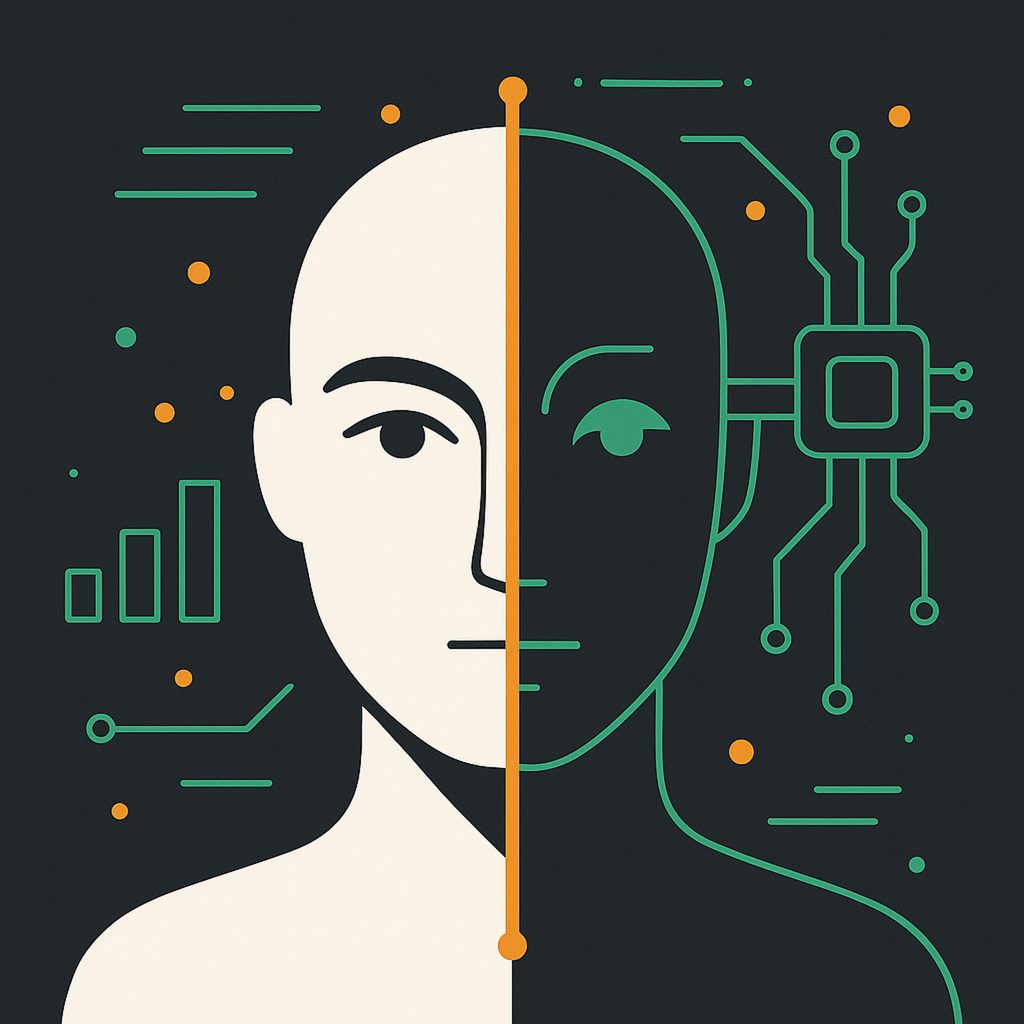
After working with IUI projects, we can say that it is not a universal remedy, but a tool with its own limitations and complexities. The first major challenge is ethical in nature. When a website analyzes the user, privacy issues arise. Each project requires an individual approach and careful work.
The second challenge is technical in nature. IUI requires significant IT resources. Not all customers are willing to invest in the server infrastructure needed for real-time analysis and adaptation. Therefore, many companies are forced to find a compromise between functionality and budget.
The third challenge is educational. Clients do not always understand the value of IUI. They see more expensive development and more complex support, but do not always realize the long-term benefits.
But despite the challenges, the prospects are impressive. Personally, we believe that the next five years will bring revolutionary changes in the way we perceive web interfaces. Several experiments with IUI are already underway, including: voice-based techniques (where a website not only adapts visually, but can also communicate with the user), emotional recognition (via camera and microphone with the user’s permission), and even elements of augmented reality.
An interesting trend is the changing role of web designers in teams. Previously, we were at the intersection of creativity and technology. Now another dimension has been added: psychology and behavioral analysis.
It seems that the greatest potential of UI will be realized in combination with the Internet of Things. When a website can receive data not only from a browser, but also from the tools people interact with in their daily lives, such as a smart home or a fitness tracker, then we can talk about a truly personalized experience.
Practical tips: how to start working with IUI today
Where to start? Honestly, there’s no need to jump straight into complex artificial intelligence algorithms. You can start with simple projects or ideas.
- Start with data analysis. Set up advanced tracking in Google Analytics, add Hotjar or a similar service for heat maps. Study how and when users actually interact with existing sites. This will provide you with a good basis for your future URI decisions.
- Experiment with A/B testing. But don’t just test button colors, try different approaches to information structure depending on the traffic source. These are the first steps toward dynamic adaptation.
- Master the basics of personalization. Most CMSs already have plugins for simple content personalization. Start by showing different content to new and returning visitors.
- Learn machine learning. You don’t need to become a data scientist, but understanding the basic principles will help you communicate better with the technical team.
- Think systematically. When designing a new website, immediately lay the groundwork for future IUI integration. This means modular architecture, a flexible design system, and advanced data collection capabilities.
Above all, don’t be afraid to experiment. IUI is still a very young field, with no established rules or standards. Every project is an opportunity to learn something new and, above all, to grow in this new sector.
Would you like to order a website? Our specialists have extensive experience and understanding of all the important factors. Please contact us. We are the SELECTOR.SPACE team, and we will be happy to help you and provide advice. More interesting publications can be found on our blog. You can contact our digital agency by calling 066 389 02 24, 096 81 00 132 or by emailing office@selector.space.
You can also follow us on Instagram, Facebook, TikTok, YouTube, and Pinterest.